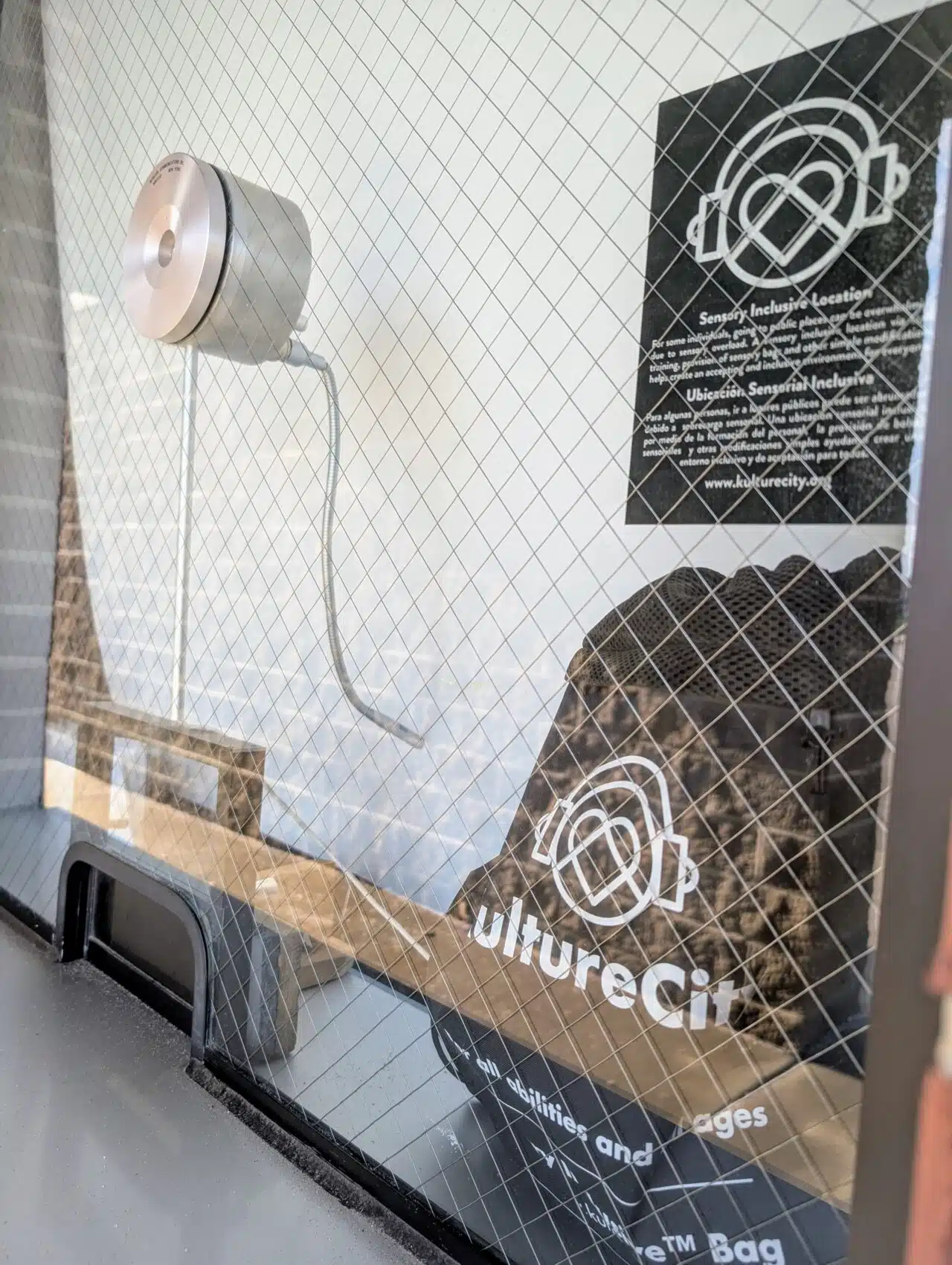
The Owensboro Sportscenter is committed to creating a welcoming, accessible environment for guests with sensory needs. In partnership with KultureCity, the facility has implemented sensory-inclusive resources designed to help individuals and families feel more comfortable while attending events.
Sensory bags are available for guest use and include noise-canceling headphones provided by Puro Sound Labs, fidget tools, verbal cue cards, and weighted lap pads. These resources are intended to support guests who may feel overwhelmed by noise, crowds, or other environmental stimuli.
Guests can also prepare in advance by downloading the free KultureCity app to view available sensory features and learn where to access them within the facility. The app includes a Social Story that offers a preview of what to expect when attending an event, helping individuals and families plan for a comfortable and enjoyable experience.
Sensory Inclusive Initiative FAQ
What is the KultureCity Sensory Inclusive Initiative?
The Sensory Inclusive initiative is designed for businesses and organizations to best prepare for clients or guests that might have sensory needs/sensory processing challenge. This includes arenas, airports, zoos, medical facilities, events, government services, restaurants, libraries or first responders to name a few. The goal is to impact any area someone with sensory needs may want or need to connect with others.
What is a sensory need or sensory processing challenge?
A sensory need or sensory processing challenge is one where an individual is affected by noises, smells, lights and even crowds
differently then others. The interaction with their environment can not only be overwhelming from the sensory perspective but also sometimes physically painful. Because of this, these guests often find themselves isolated from the community.
What is the difference between being Sensory Inclusive and sensory friendly?
Sensory friendly is where the location has removed many of the overwhelming stimuli for a set period of time. Because this isn’t
possible to do regularly due to branding or the style of event itself, access is limited to the day, a few hours, or an event location.
There is often no training provided, no additional supports, generally marketed at the autistic community which alienates others with sensory needs and having set times often makes it hard for those with sensory needs to attend as they are regularly set on weekdays during work hours.
Being Sensory Inclusive changes that. It creates daily accessibility with training, tools, and other modifications that do not remove the overwhelming stimuli, they help the guest cope with this potential sensory over stimulation or under stimulation better, ensuring an accepting and inclusive experience for all.
What are some groups that are affected by sensory need/sensory processing issues?
These could be guests with PTSD, autism, early onset dementia, anxiety, stroke patients just to name a few.
How does partnering with KultureCity help?
KultureCity helps by providing the necessary training to better support guests with these needs. They also provide signage,
weighted lap pads, sensory bags that contain noise-canceling headphones, fidgets tools and much more to truly create a welcoming experience for these guests.
What is the result of this initiative?
It helps all guests feel welcome and included in our society. It also helps us reach a huge portion of our community that has long been isolated.
How many people have a disability in the USA?
1 in 4. With 16% having visible disabilities and the remanding 84% with invisible disabilities like PTSD, autism, dementia, strokes etc. The common denominator for these groups are sensory issues.
What is the average age of someone with a sensory need?
A sensory need is something that someone can be born with or can acquire through an injury; we assist those from the ages of 0-99+.